

A Guide for Cleaning Hard-to-Reach Areas
 October 7, 2019
  Comments Off on A Guide for Cleaning Hard-to-Reach Areas
:max_bytes(150000):strip_icc()/Woman-cleaning-kitchen-GettyImages-628306310-58aa25163df78c345bce8aa1.jpg)
Hard-to-reach areas are not usually included in our cleaning routines whether you are doing the cleaning by yourself or hiring a professional to do it.
We have made this list about the top hard-to-reach areas.
1. Cleaning the Areas Behind and Under Major Appliances:
You should realize the following points regarding the areas behind and under major appliances.
• Most people think that these areas are clean and that there is nothing under or behind them. Appliances such as the oven, refrigerator, washer, dryer, or the stove collect many things behind and under them.
• For example, kitchen appliances usually attract grease providing the best medium for the dust to stick. If you checked the areas right now behind and under other appliances, you will find that they collect dust over time.
• The best way to deal with this situation is to move the major appliances several times annually and clean the areas under and behind them. Try to make the kitchen as clean as possible because it is where you make food.
2. Cleaning behind the Toilet:
You will clean the toilet anyway. However, the walls and floors surrounding the toilet and the pedestal of the toilet need some attention. Do not sweep in the bathroom; it is not working at all. Instead, use a wet rag or mop to pick up and remove dust and lint. Sweeping will just remove the dust from an area to another.
3. Cleaning Ceiling Fans:
There are many ways to clean the ceiling fans.
• Use your vacuum cleaner attachment.
• Use a long-handled ceiling fan brush.
• We recommend using a ladder and wiping down the blades with soapy water. You can use both vacuuming and wiping if you cannot reach the whole blade or if you cannot catch all the dust.
4. Corners:
If you do not have a high ceiling, you will be able to reach all the corners of your room using vacuum cleaner attachments. However, if your room has a high ceiling, you may need a ladder to reach the cobwebs.
5. Cleaning Top of Cabinets:
Get a ladder. You will need it to clean the space between your kitchen cabinets and the ceiling. In addition, you will use it if you have an armoire in your living room or bedroom.
• Final Words:
It does not matter which room you are going to start cleaning at home. What matters is that you should start high and work your way down in order to avoid getting the areas you already cleaned dirty again.
When you are done, clean the cleaning supplies and put them in order in the cleaning cabinet.


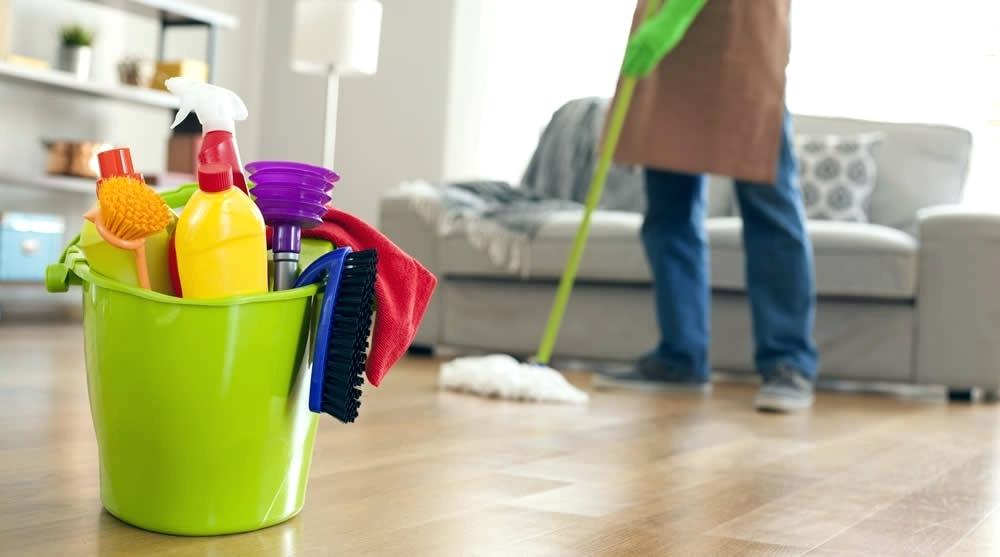 Maintaining a clean and pristine home is not an easy job, especially with a busy career life and family. You will never have adequate time to give your home the cleaning it deserves. Besides, after a long day working, you desire to come home and rest not bend over furniture looking for dirt. Probably you visit your friends and are always envious of how clean their home look, maybe because they have discovered the secret of outsourcing these essential services. You too can have the same kind of peace if you get a professional to handle the work for you. Therefore, here are your top reasons why house-cleaning services will suit you.